How Hair Transplant Works
Hair transplant is a minimally invasive procedure that harvests healthy hair follicles from a genetically resistant donor zone, typically the back and sides of the scalp, and implants them into areas experiencing thinning or baldness. The transplanted follicles retain their original growth characteristics permanently because they carry the donor site's genetic resistance to dihydrotestosterone (DHT), the hormone responsible for androgenetic alopecia.
Two primary techniques exist: Follicular Unit Extraction (FUE) and Follicular Unit Transplantation (FUT). FUE extracts individual follicular units using a 0.7-1.0mm micro-punch, leaving no linear scar. FUT removes a narrow strip of scalp tissue, which is then dissected into individual grafts under microscopic magnification. FUE accounts for approximately 80% of procedures performed in Korea due to its scarless healing profile and shorter recovery timeline.
Who Benefits from Hair Transplant
Ideal candidates are men and women with Norwood scale stage 3-6 pattern hair loss who have sufficient donor hair density, typically above 80 follicular units per square centimeter. The procedure treats male pattern baldness, female pattern hair thinning, receding hairlines, crown thinning, and hair loss from scarring or burns. Patients younger than 25 require careful evaluation because their hair loss pattern may not be fully established.
Non-Surgical Alternatives
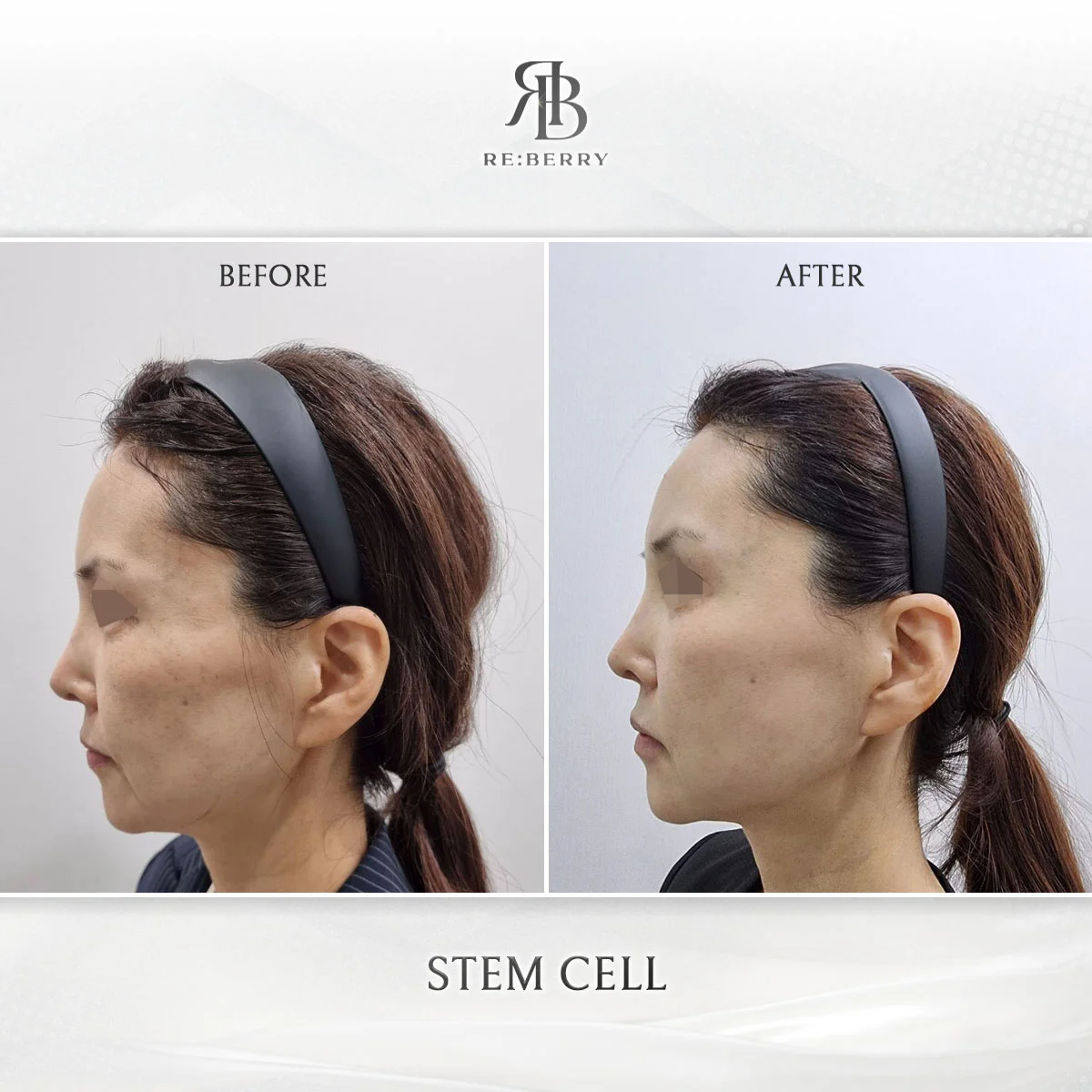
For patients who prefer non-surgical options or want to complement transplant results, regenerative scalp therapies offer additional pathways. Autologous blood therapy involves drawing 20-60ml of the patient's blood, processing it to concentrate growth factors, and injecting the solution into the scalp at 1cm intervals. Growth factor treatments stimulate dormant follicles and improve hair shaft thickness by 20-30% over 3-6 monthly sessions.
The Hair Transplant Procedure Step by Step
The process begins with a detailed scalp analysis using a digital trichoscope that measures follicular density, hair caliber, and donor zone capacity. The specialist designs the new hairline based on facial proportions, age, and expected future hair loss progression. On procedure day, local anesthesia numbs both the donor and recipient areas, making the process virtually painless. The entire session takes 4-8 hours for 1,500-3,000 grafts.
Graft Placement and Density
Recipient site incisions are created at precise angles of 30-45 degrees to mimic natural hair growth direction. Graft density ranges from 25-50 follicular units per square centimeter depending on the zone: hairline areas receive higher density (40-50 FU/cm2) for a natural appearance, while crown areas use 25-35 FU/cm2. Each graft contains 1-4 individual hairs, with single-hair grafts placed at the very front of the hairline for the most refined look.
Recovery Timeline and Expected Results
Days 1-3 involve mild swelling of the forehead and scalp, controlled with prescribed anti-inflammatory medication. Tiny scabs form around each graft site and shed naturally between days 7-14. Most patients return to office work within 3-5 days. Exercise resumes after 2-3 weeks. The transplanted hairs enter a shedding phase at weeks 2-6, which is expected and temporary as the follicles transition into a new growth cycle.
New hair growth emerges at month 3-4, initially fine and light before gradually thickening. By month 6, approximately 60% of final density is visible. Full results manifest at 12-18 months. Clinical data demonstrates that FUE procedures performed with modern techniques achieve 90-95% graft survival rates. Rassman WR et al. Dermatol Surg. 2002;28(8):720-728. doi:10.1046/j.1524-4725.2002.01273.x
Hair Transplant in Gangnam: What to Know
Gangnam houses over 200 aesthetic clinics, with hair restoration being one of the top 5 requested procedure categories. The concentration of specialists drives competitive pricing and advanced technique adoption. Korean hair transplant practitioners routinely use implanter pens (Choi pens) that combine incision and graft placement into a single step, reducing tissue exposure time to under 3 seconds per graft and improving survival rates.
Complementary treatments enhance transplant outcomes. RE:BERRY Gangnam offers regenerative scalp therapy programs including autologous blood treatment and growth factor protocols that strengthen existing hair and optimize the scalp environment before and after transplantation. These adjunctive therapies address the underlying causes of thinning in non-transplanted areas, creating a comprehensive approach to hair restoration that extends beyond the transplanted zones alone.